[fusion_builder_container type=”flex” hundred_percent=”no” equal_height_columns=”no” menu_anchor=”” hide_on_mobile=”small-visibility,medium-visibility,large-visibility” class=”” id=”” background_color=”” background_image=”” background_position=”center center” background_repeat=”no-repeat” fade=”no” background_parallax=”none” parallax_speed=”0.3″ video_mp4=”” video_webm=”” video_ogv=”” video_url=”” video_aspect_ratio=”16:9″ video_loop=”yes” video_mute=”yes” overlay_color=”” video_preview_image=”” border_color=”” border_style=”solid” padding_top=”” padding_bottom=”” padding_left=”” padding_right=””][fusion_builder_row][fusion_builder_column type=”1_1″ layout=”1_1″ background_position=”left top” background_color=”” border_color=”” border_style=”solid” border_position=”all” spacing=”yes” background_image=”” background_repeat=”no-repeat” padding_top=”” padding_right=”” padding_bottom=”” padding_left=”” margin_top=”0px” margin_bottom=”0px” class=”” id=”” animation_type=”” animation_speed=”0.3″ animation_direction=”left” hide_on_mobile=”small-visibility,medium-visibility,large-visibility” center_content=”no” last=”true” min_height=”” hover_type=”none” link=”” border_sizes_top=”” border_sizes_bottom=”” border_sizes_left=”” border_sizes_right=”” first=”true”][fusion_text]
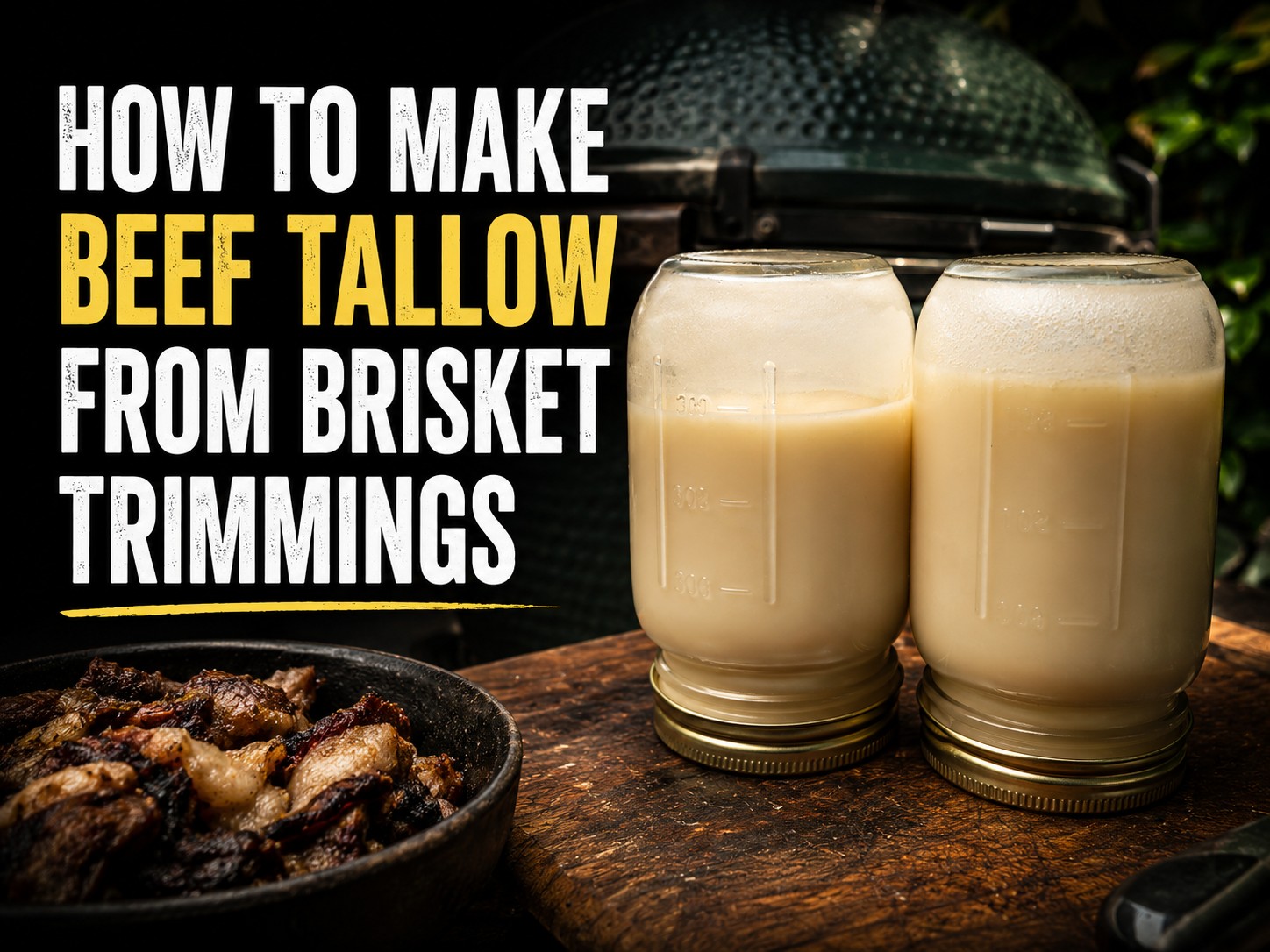
If you’ve ever trimmed a whole packer brisket, you’ve probably looked at the pile of fat headed for the trash and wondered if there was a better use for it. The answer is yes: beef tallow.
Homemade tallow is one of the easiest ways to get more value from every brisket you cook. Whether you’re frying potatoes, sautéing vegetables, seasoning cast iron, or adding richness to barbecue, quality tallow is liquid gold.
The best part is that making it requires very little effort. With the right brisket fat and a little patience, you can produce clean, shelf-stable tallow that rivals anything you can buy in a store.
 Tip: Click here to read more about how to wrap brisket if interested.
Start with the Right Fat
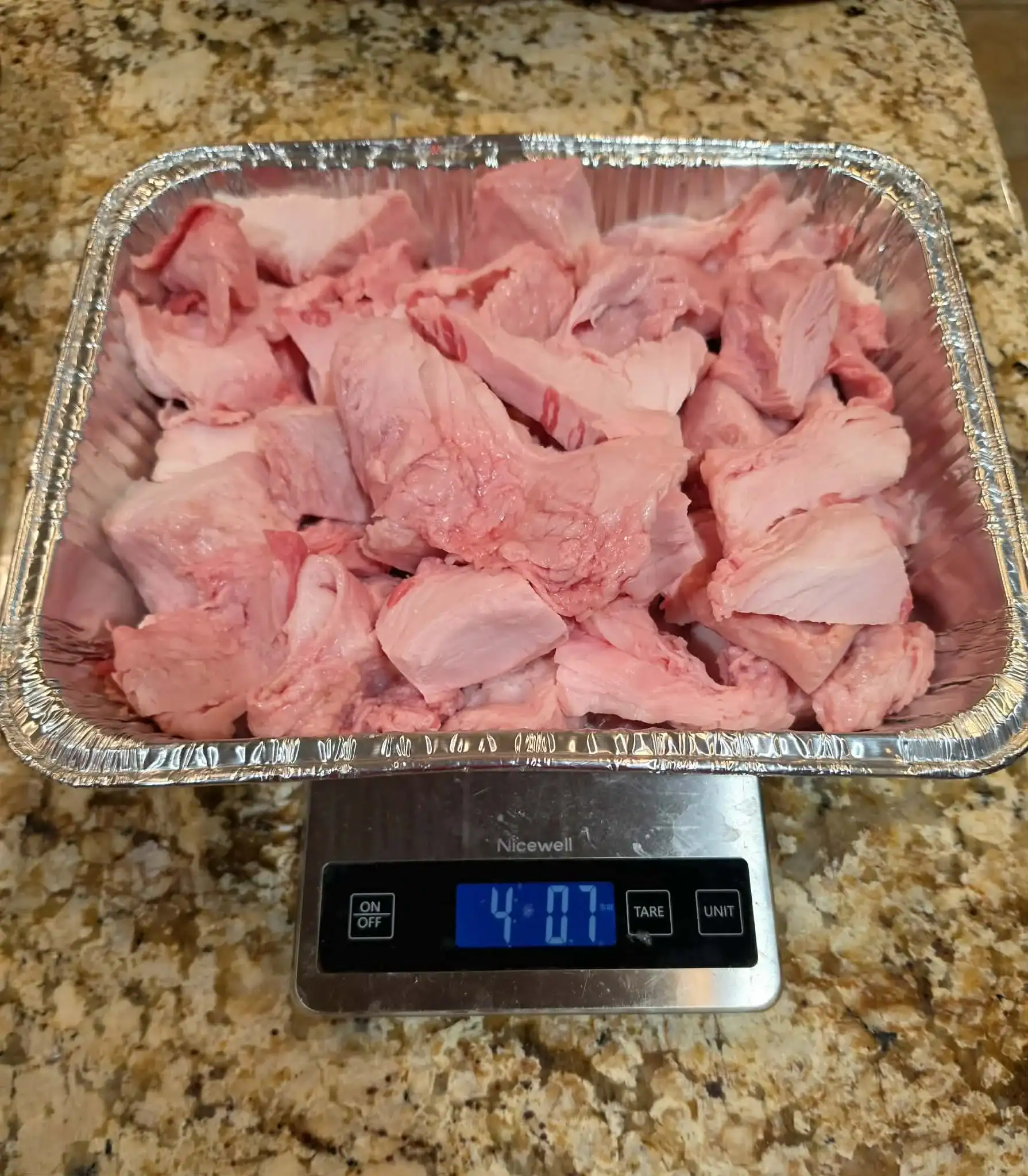
Not all brisket fat is created equal. For the highest-quality tallow, save the deckle (hard, white) fat from your brisket trim. This fat is often found between the point and flat and around the thicker exterior sections of the brisket. It renders cleaner and produces a lighter-colored finished product. Avoid using:- Yellowed or oxidized fat
- Fat contaminated with excessive meat
- Large amounts of silver skin
- Blood-stained sections
Cut the Fat into Small Pieces
The more surface area you create, the faster and more efficiently the fat will render. You can:- Dice the fat into 1-inch cubes with a knife
- Run it through a meat grinder
- Pulse it in a food processor
Three Ways to Render Tallow
There are several methods for rendering beef fat. Each produces good results, but there are important differences.Method 1: On the Smoker
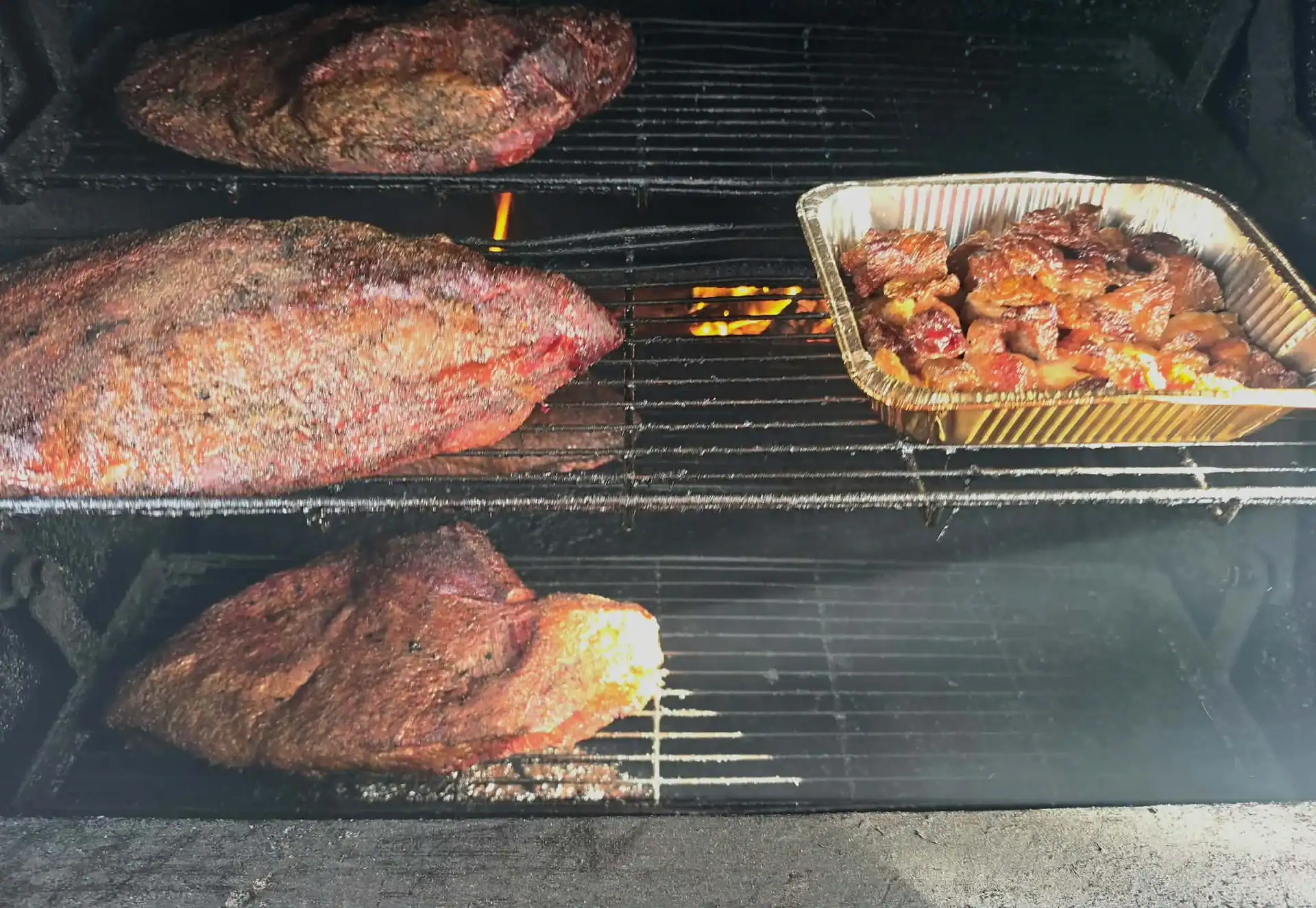
Many barbecue cooks prefer rendering tallow on the smoker because it captures a subtle smoky flavor. Place the fat in a disposable aluminum pan or cast-iron pot and cook at 225°F–275°F until most of the fat has melted. Advantages:- Adds light smoke flavor
- Uses the heat already generated during a cook
- Easy to do alongside brisket or ribs
- Takes longer
- More exposure to oxygen can slightly darken the tallow
- Requires monitoring if temperatures fluctuate
Method 2: Crockpot
The crockpot is arguably the easiest method. Place the fat in the slow cooker and set it on low. Allow it to render for 6–10 hours, stirring occasionally. Advantages:- Set-it-and-forget-it convenience
- Very low risk of scorching
- Produces consistently clean tallow
- Slowest method
- No smoke flavor
Method 3: Stovetop
The stovetop is the fastest option. Place the fat in a heavy-bottomed pot and add a few tablespoons of water to prevent sticking during the initial heating stage. Cook over low heat, stirring occasionally. Advantages:- Fastest rendering method
- Easy temperature control
- Produces exceptionally clean tallow
- Requires more attention
- Higher risk of scorching if the heat is too high
Tip: Click here to read more about how to wrap brisket if interested.
Rotisserie Rendering: My Preferred Method
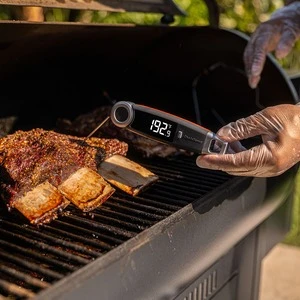
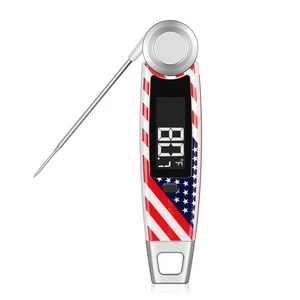
One of my favorite ways to render tallow is on my rotisserie-equipped smoker. The constant movement exposes more area to heat, slowly rendering the fat without hot spots. The result is an excellent yield and a mild smoky flavor that works perfectly in barbecue applications. The key is keeping temperatures moderate. I prefer to stay between 225°F and 250°F and allow the fat to render gradually. You also want to make sure you are not placing anything on top of your tallow pan. You do not want your raw chicken dripping into your pan. Yuck! Tip: Click here to get the Finaltouch X10 instant meat thermometer for real-time & accurate temp reading.Strain the Tallow
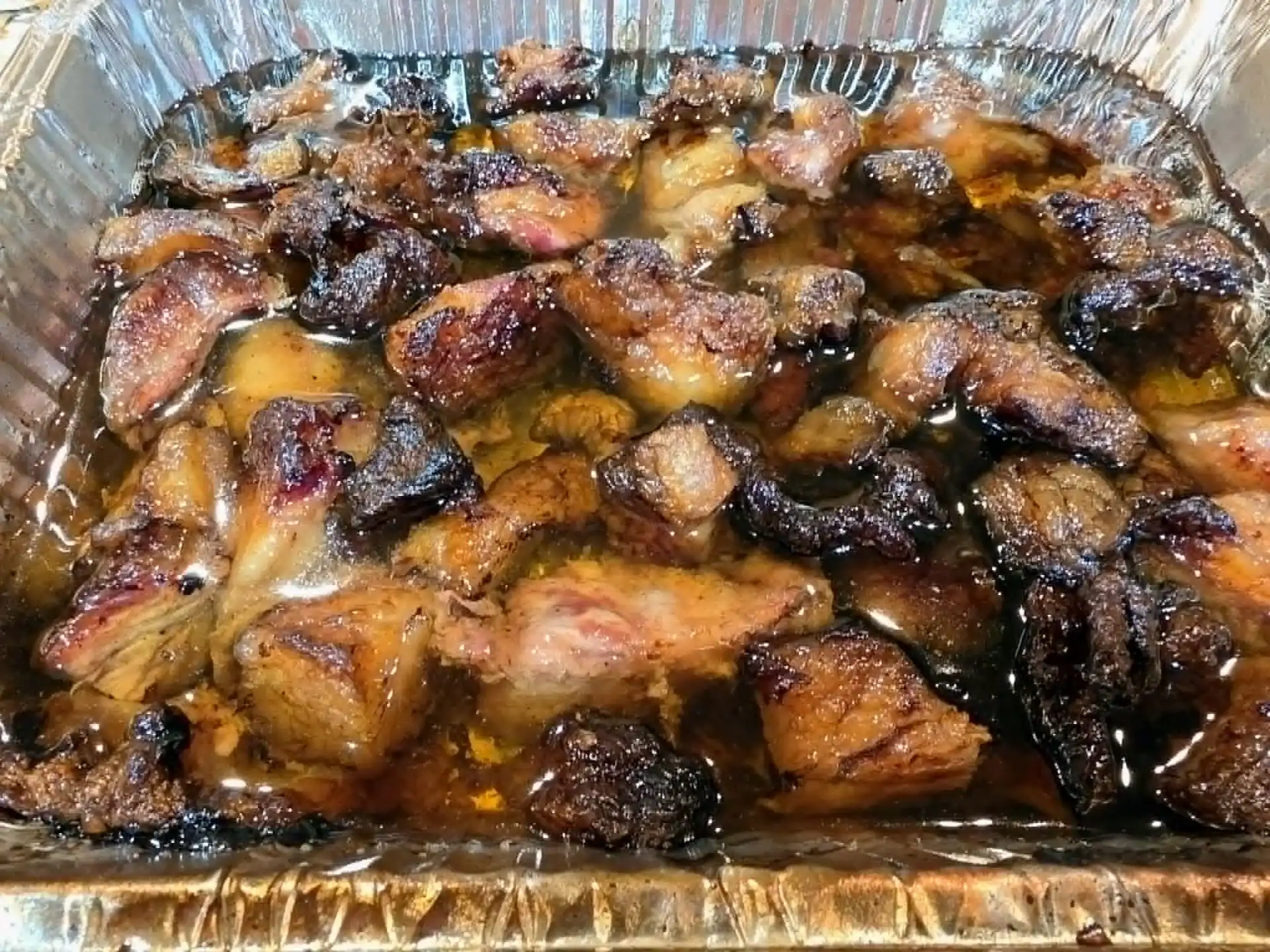
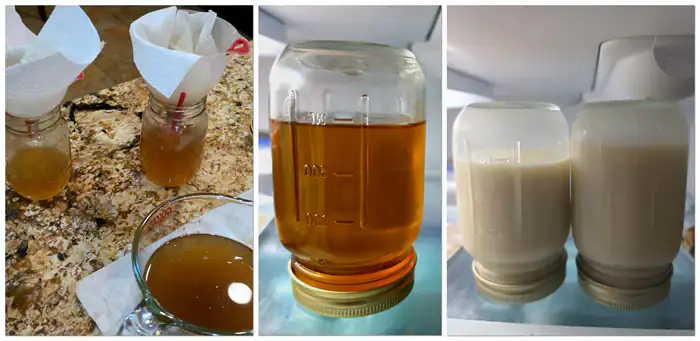
Once the fat has mostly melted and the remaining solids have turned golden brown, it’s time to strain. Line a mesh strainer with:- Cheesecloth
- Coffee filters
- Fine mesh filtration bags
Jar and Cool
Pour the strained tallow into clean mason jars while still warm. Allow the jars to cool slightly before placing them in the refrigerator. As the tallow cools, it will turn from a golden liquid into a creamy white solid.The Inverted Jar Trick
This simple step makes a huge difference. When placing the jars in the fridge, turn them upside down. The clean tallow will now be on the bottom, while any remaining impurities, moisture, or sediment will settle on the now-top surface. Remove the lid and gently scrape away the darker layer. This process leaves you with exceptionally clean tallow and can significantly improve storage life.
How to Store Beef Tallow
Storage life depends on cleanliness and moisture content.- Room temperature: Several months in a cool, dark place
- Refrigerator: 6–12 months
- Freezer: 1 year or more
Storage Tip
Use an ice cube tray to portion out the tallow. Then, when you need a portion for cooking, you can pop out a tallow cube and throw it right in your pan or skillet. It’s like a pat of butter but 100x better!What Can You Do with Beef Tallow?
Once you’ve made your first batch, you’ll find countless uses for it. Popular options include:- Frying potatoes
- Roasting vegetables
- Searing steaks
- Making tortillas
- Seasoning cast-iron cookware
- Enriching burgers and sausage
- Wrapping briskets during barbecue cooking
Final Thoughts
Brisket is expensive. Even in Texas, where we consistently get Prime for ~$5 a pound, seeing four or five pounds of trimmings go into the trash makes your stomach turn. On fattier briskets, you are throwing away $20-$30 or more! Making beef tallow is one of the easiest ways to maximize every brisket you buy. Instead of throwing away pounds of valuable fat, you can turn it into a versatile cooking ingredient that enhances everything from barbecue to weeknight meals. Whether you render it on the smoker, in a crockpot, on the stovetop, or on a rotisserie, the key is patience, low heat, and proper filtration. Follow those steps, and you’ll end up with clean, flavorful tallow that keeps for months and adds rich beef flavor to nearly any dish. [/fusion_text][fusion_code render_logics=””]PCFET0NUWVBFIGh0bWw+CjxodG1sIGxhbmc9ImVuIj4KPGhlYWQ+CiAgICA8bWV0YSBjaGFyc2V0PSJVVEYtOCI+CiAgICA8bWV0YSBuYW1lPSJ2aWV3cG9ydCIgY29udGVudD0id2lkdGg9ZGV2aWNlLXdpZHRoLCBpbml0aWFsLXNjYWxlPTEuMCI+CiAgICA8c3R5bGU+CiAgICAgICAgOnJvb3QgewogICAgICAgICAgICAtLWN0LW9yYW5nZTogI0ZGNkIwMDsKICAgICAgICAgICAgLS1jdC1kYXJrOiAjMUExQTFBOwogICAgICAgICAgICAtLWN0LWdyYXktdGV4dDogIzRBNEE0QTsKICAgICAgICAgICAgLS1jdC1iZy1saWdodDogI0ZERkRGRDsKICAgICAgICAgICAgLS1jdC1ib3JkZXI6ICNFRUVFRUU7CiAgICAgICAgfQoKICAgICAgICAuY3QtZ3Vlc3Qtc2VjdGlvbiB7CiAgICAgICAgICAgIG1heC13aWR0aDogODAwcHg7CiAgICAgICAgICAgIG1hcmdpbjogNDBweCBhdXRvOwogICAgICAgICAgICBiYWNrZ3JvdW5kOiB2YXIoLS1jdC1iZy1saWdodCk7CiAgICAgICAgICAgIGJvcmRlcjogMXB4IHNvbGlkIHZhcigtLWN0LWJvcmRlcik7CiAgICAgICAgICAgIC8qIOW3puS+p+WTgeeJjOapmeiJsui+ueahhiAqLwogICAgICAgICAgICBib3JkZXItbGVmdDogNXB4IHNvbGlkIHZhcigtLWN0LW9yYW5nZSk7CiAgICAgICAgICAgIGJvcmRlci1yYWRpdXM6IDEycHg7CiAgICAgICAgICAgIHBhZGRpbmc6IDM1cHg7CiAgICAgICAgICAgIGRpc3BsYXk6IGZsZXg7CiAgICAgICAgICAgIGFsaWduLWl0ZW1zOiBjZW50ZXI7IAogICAgICAgICAgICBnYXA6IDMwcHg7CiAgICAgICAgICAgIHBvc2l0aW9uOiByZWxhdGl2ZTsKICAgICAgICAgICAgYm94LXNoYWRvdzogMCA0cHggMjBweCByZ2JhKDAsMCwwLDAuMDMpOwogICAgICAgICAgICBmb250LWZhbWlseTogLWFwcGxlLXN5c3RlbSwgQmxpbmtNYWNTeXN0ZW1Gb250LCAiU2Vnb2UgVUkiLCBSb2JvdG8sIEhlbHZldGljYSwgQXJpYWwsIHNhbnMtc2VyaWY7CiAgICAgICAgfQoKICAgICAgICAvKiDnp7vliqjnq6/oh6rpgILlupQgKi8KICAgICAgICBAbWVkaWEgKG1heC13aWR0aDogNjQwcHgpIHsKICAgICAgICAgICAgLmN0LWd1ZXN0LXNlY3Rpb24gewogICAgICAgICAgICAgICAgZmxleC1kaXJlY3Rpb246IGNvbHVtbjsKICAgICAgICAgICAgICAgIHRleHQtYWxpZ246IGNlbnRlcjsKICAgICAgICAgICAgICAgIHBhZGRpbmc6IDMwcHggMjBweDsKICAgICAgICAgICAgfQogICAgICAgIH0KCiAgICAgICAgLmN0LWF2YXRhci13cmFwcGVyIHsKICAgICAgICAgICAgZmxleC1zaHJpbms6IDA7CiAgICAgICAgICAgIHdpZHRoOiAxMjBweDsKICAgICAgICAgICAgaGVpZ2h0OiAxMjBweDsKICAgICAgICAgICAgYm9yZGVyLXJhZGl1czogNTAlOwogICAgICAgICAgICBvdmVyZmxvdzogaGlkZGVuOwogICAgICAgICAgICBib3JkZXI6IDNweCBzb2xpZCAjRkZGOwogICAgICAgICAgICBib3gtc2hhZG93OiAwIDRweCAxMHB4IHJnYmEoMCwwLDAsMC4xKTsKICAgICAgICAgICAgYmFja2dyb3VuZC1jb2xvcjogI2YwZjBmMDsKICAgICAgICB9CgogICAgICAgIC5jdC1hdXRob3ItaW1nIHsKICAgICAgICAgICAgd2lkdGg6IDEwMCU7CiAgICAgICAgICAgIGhlaWdodDogMTAwJTsKICAgICAgICAgICAgb2JqZWN0LWZpdDogY292ZXI7CiAgICAgICAgfQoKICAgICAgICAuY3QtaW5mbyB7CiAgICAgICAgICAgIGZsZXgtZ3JvdzogMTsKICAgICAgICB9CgogICAgICAgIC5jdC1iYWRnZSB7CiAgICAgICAgICAgIGRpc3BsYXk6IGlubGluZS1ibG9jazsKICAgICAgICAgICAgYmFja2dyb3VuZDogcmdiYSgyNTUsIDEwNywgMCwgMC4xKTsKICAgICAgICAgICAgY29sb3I6IHZhcigtLWN0LW9yYW5nZSk7CiAgICAgICAgICAgIGZvbnQtc2l6ZTogMTJweDsKICAgICAgICAgICAgZm9udC13ZWlnaHQ6IDcwMDsKICAgICAgICAgICAgdGV4dC10cmFuc2Zvcm06IHVwcGVyY2FzZTsKICAgICAgICAgICAgcGFkZGluZzogNHB4IDEycHg7CiAgICAgICAgICAgIGJvcmRlci1yYWRpdXM6IDIwcHg7CiAgICAgICAgICAgIGxldHRlci1zcGFjaW5nOiAwLjVweDsKICAgICAgICAgICAgbWFyZ2luLWJvdHRvbTogOHB4OwogICAgICAgIH0KCiAgICAgICAgLmN0LWF1dGhvci1uYW1lIHsKICAgICAgICAgICAgZm9udC1zaXplOiAyNHB4OwogICAgICAgICAgICBmb250LXdlaWdodDogODAwOwogICAgICAgICAgICBjb2xvcjogdmFyKC0tY3QtZGFyayk7CiAgICAgICAgICAgIG1hcmdpbi1ib3R0b206IDEycHg7CiAgICAgICAgfQoKICAgICAgICAuY3QtYmlvLXRleHQgewogICAgICAgICAgICBmb250LXNpemU6IDE2cHg7CiAgICAgICAgICAgIGxpbmUtaGVpZ2h0OiAxLjY7CiAgICAgICAgICAgIGNvbG9yOiB2YXIoLS1jdC1ncmF5LXRleHQpOwogICAgICAgICAgICBtYXJnaW46IDA7CiAgICAgICAgfQoKICAgICAgICAvKiDoo4XppbDog4zmma/lm77moIcgKi8KICAgICAgICAuY3Qtd3JpdGVyLWljb24gewogICAgICAgICAgICBwb3NpdGlvbjogYWJzb2x1dGU7CiAgICAgICAgICAgIHRvcDogMjBweDsKICAgICAgICAgICAgcmlnaHQ6IDI1cHg7CiAgICAgICAgICAgIG9wYWNpdHk6IDAuMDU7CiAgICAgICAgICAgIHdpZHRoOiA1MHB4OwogICAgICAgICAgICBoZWlnaHQ6IDUwcHg7CiAgICAgICAgICAgIHBvaW50ZXItZXZlbnRzOiBub25lOwogICAgICAgIH0KICAgIDwvc3R5bGU+CjwvaGVhZD4KPGJvZHk+CgogICAgPGRpdiBjbGFzcz0iY3QtZ3Vlc3Qtc2VjdGlvbiI+CiAgICAgICAgPCEtLSDlpLTlg48gLS0+CiAgICAgICAgPGRpdiBjbGFzcz0iY3QtYXZhdGFyLXdyYXBwZXIiPgogICAgICAgICAgICA8aW1nIAogICAgICAgICAgICAgICAgc3JjPSJodHRwczovL3d3dy5jaGVmc3RlbXAuY29tL3dwLWNvbnRlbnQvdXBsb2Fkcy8yMDI2LzAzL2d1ZXN0LWJsb2dnZXItc2Vhbi1hdmF0YXIucG5nIiAKICAgICAgICAgICAgICAgIGFsdD0iU2VhbiBIaWxsIiAKICAgICAgICAgICAgICAgIGNsYXNzPSJjdC1hdXRob3ItaW1nIgogICAgICAgICAgICAgICAgb25lcnJvcj0idGhpcy5zcmM9J2h0dHBzOi8vdWktYXZhdGFycy5jb20vYXBpLz9uYW1lPVNlYW4rSGlsbCZiYWNrZ3JvdW5kPUZGNkIwMCZjb2xvcj1mZmYnIgogICAgICAgICAgICA+CiAgICAgICAgPC9kaXY+CgogICAgICAgIDwhLS0g5paH5a2X5L+h5oGvIC0tPgogICAgICAgIDxkaXYgY2xhc3M9ImN0LWluZm8iPgogICAgICAgICAgICA8c3BhbiBjbGFzcz0iY3QtYmFkZ2UiPkd1ZXN0IEJsb2dnZXI8L3NwYW4+CiAgICAgICAgICAgIDxkaXYgY2xhc3M9ImN0LWF1dGhvci1uYW1lIj5TZWFuIEhpbGw8L2Rpdj4KICAgICAgICAgICAgPHAgY2xhc3M9ImN0LWJpby10ZXh0Ij4KICAgICAgICAgICAgICAgIDxzdHJvbmc+U2VhbiBIaWxsPC9zdHJvbmc+IGlzIGEgZGVjb3JhdGVkIGNvbXBldGl0aW9uIHBpdG1hc3RlciwgY2F0ZXJlciBhbmQgY29hY2gg4oCUIEEgMnggV29ybGQgRm9vZCBDaGFtcGlvbnNoaXBzIEdyYW5kIENoYW1waW9uLCBUZXhhcyBIUyBCQlEgZ3JhbmQgY2hhbXBpb24gY29hY2gsIGFuZCBFU1BOLWZlYXR1cmVkIEJCUSBwZXJzb25hbGl0eS4gSGUgcnVucyBhIHRocml2aW5nIGNhdGVyaW5nIGJ1c2luZXNzIGFuZCBoZWxwcyBvdGhlcnMgc2hhcnBlbiB0aGVpciBjcmFmdCB0aHJvdWdoIGNvYWNoaW5nIGFuZCBjb2xsYWJvcmF0aW9uLgogICAgICAgICAgICA8L3A+CiAgICAgICAgPC9kaXY+CgogICAgICAgIDwhLS0g6KOF6aWw5Zu+5qCHIChTVkcpIC0tPgogICAgICAgIDxkaXYgY2xhc3M9ImN0LXdyaXRlci1pY29uIj4KICAgICAgICAgICAgPHN2ZyB2aWV3Qm94PSIwIDAgMjQgMjQiIGZpbGw9ImN1cnJlbnRDb2xvciI+CiAgICAgICAgICAgICAgICA8cGF0aCBkPSJNMywxNy4yNVYyMUg2Ljc1TDE3LjgxLDkuOTRMMTQuMDYsNi4xOUwzLDE3LjI1TTIwLjcxLDcuMDRDMjEuMSw2LjY1IDIxLjEsNi4wMSAyMC43MSw1LjYzTDE4LjM3LDMuMjlDMTcuOTksMi45IDE3LjM1LDIuOSAxNi45NiwzLjI5TDE1LjEzLDUuMTJMMTguODgsOC44N0wyMC43MSw3LjA0WiIgLz4KICAgICAgICAgICAgPC9zdmc+CiAgICAgICAgPC9kaXY+CiAgICA8L2Rpdj4KCjwvYm9keT4KPC9odG1sPg==[/fusion_code][/fusion_builder_column][/fusion_builder_row][/fusion_builder_container]Related Posts

Mastering Pulled Pork: The Ultimate Temperature Control Guide with ChefsTemp
Achieving competition-grade, juicy, and tender pulled pork is the ultimate rite of passage for backyard pitmas...
Two Birds, One Fan: Can Breezo Fix Uneven Chicken Temps on a Charcoal Grill?
Chicken grilled over charcoal is one of life’s purest pleasures. So much so that people debate which is better...
The Cook Is Not One Temperature
A few hours into a long cook, it can feel as though the grill has started arguing with you.
The dome thermome...
Breaking the Endothermic Standoff: The Complete Fat Rendering Timeline for Smoked Pork Shoulder
Smoked pork shoulder is an icon of American barbecue that many try, yet only a few manage to master. People lo...
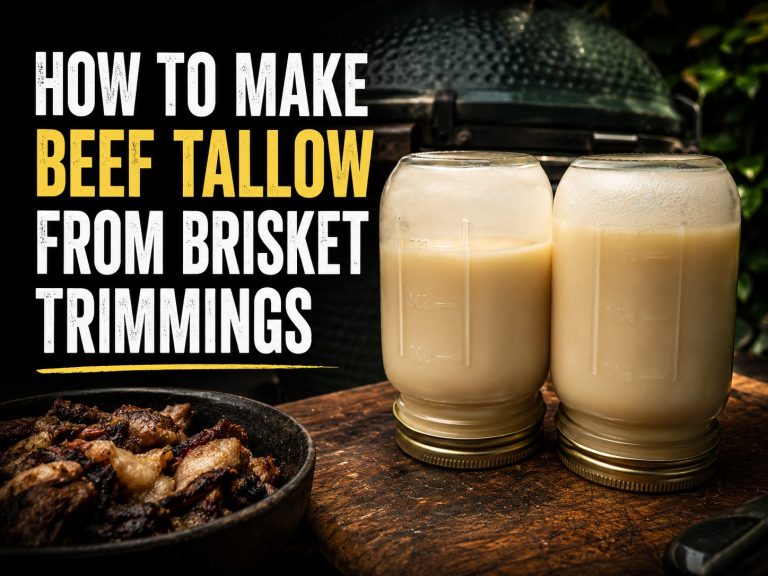
How to Make Beef Tallow from Brisket Trimmings
If you've ever trimmed a whole packer brisket, you've probably looked at the pile of fat headed for the trash ...
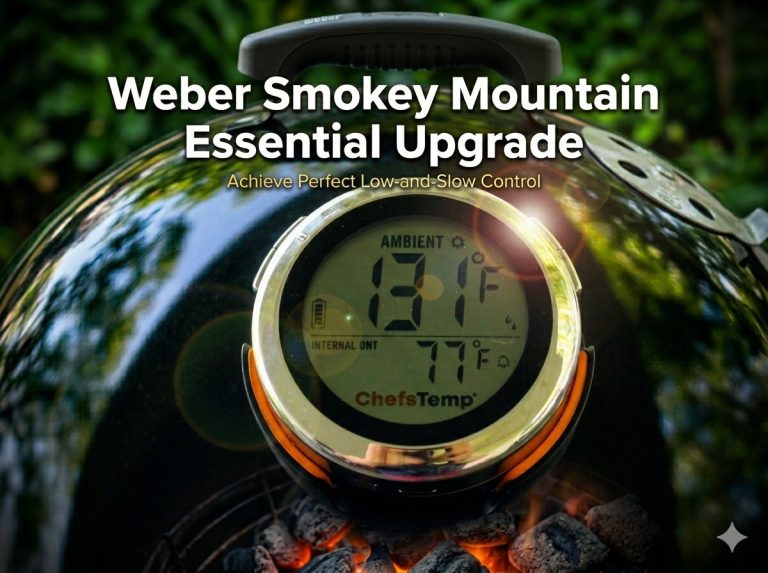
Weber Smokey Mountain Brisket Guide: How to Sleep Soundly with a Smart Temperature Controller Upgrade
Smoking a brisket can be a time-consuming task for even the most experienced pit master, but it doesn’t mean y...
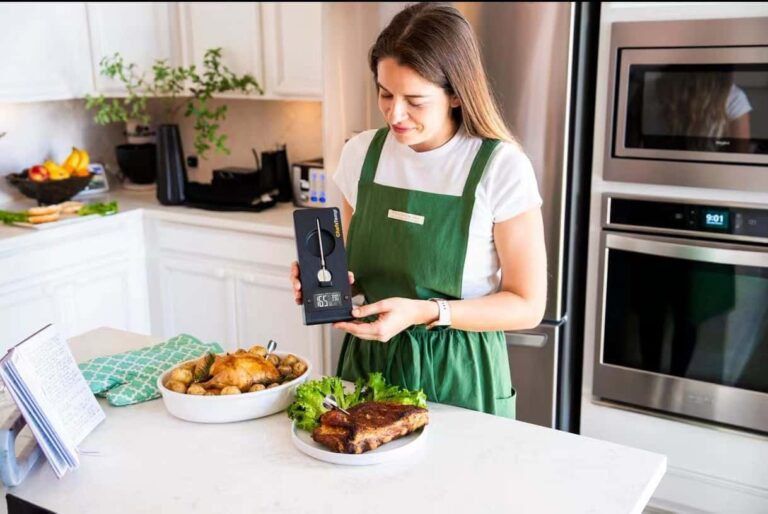
CHEF IQ Alternative: Is ChefsTemp the Best Thermometer for Smoker Cooking?
The chef iq thermometer has earned a solid reputation in modern kitchens. For indoor roasting, air frying, or ...

Best Meater Pro Alternatives in 2026: Finding the Best Wireless Meat Thermometer for Smoker
Meater Pro revolutionized wire-free cooking, but heavy-duty steel offsets and thick ceramic kamados create phy...

Finding the Best Smart Wireless Meat Thermometer: The Ultimate ThermoWorks RFX Alternative
It takes time, money and accuracy to prepare a top-notch brisket for a weekend BBQ party. However, that enthus...
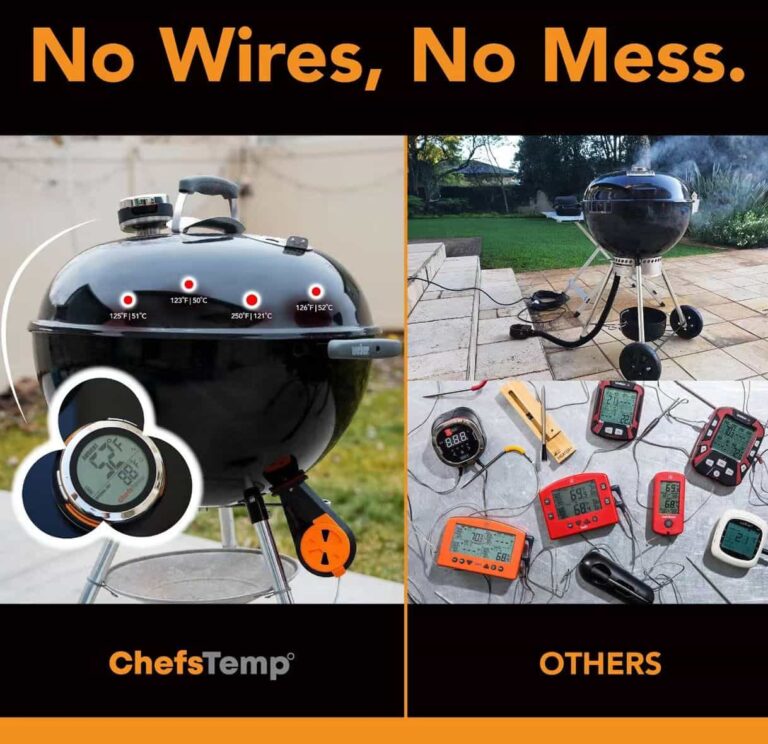
Beyond PitmasterIQ: Transforming Weber Grill Temperature Control with an All-in-One Monitoring Hub
Brisket purveyors have a reputation for waking up in the middle of the night to check the temperature of smoki...

The Ultimate Smart Grilling Hub: A Modern Alternative to BBQ Guru for 2026
I still recall the stress from my first overnight brisket. It wasn't the charcoal that kept me up. It was the ...
Master Your Kamado Joe Temperature Control: The Ultimate SMOBOT Alternative
A well-insulated grill with high-end ceramic insulation is great. But let's face it: monitoring grill vents fo...